Acne Treatment
Holistic, evidence-based treatments to restore clear, healthy skin.
Acne is one of the most common skin concerns — yet for those who experience it, it can feel overwhelming and deeply personal. It can affect confidence, comfort and everyday life, particularly when breakouts are persistent or leave marks and scars behind.
At Talwar Skin Clinics, Dr. Sanchit Talwar takes a comprehensive, evidence-based approach to acne treatment, looking beyond the visible breakouts to understand the factors contributing to them. Treatment is tailored to the type and severity of acne, the patient’s skin and their individual needs, with the aim of achieving clearer, healthier skin while reducing the risk of long-term marks and scarring.
For patients seeking acne treatment in Chandigarh or Ludhiana, the focus is on thoughtful diagnosis, appropriate treatment and long-term acne management rather than a quick fix.
What causes acne?
Acne develops when several processes come together inside the hair follicles: excess sebum production, abnormal shedding of skin cells, changes in the skin microbiome and inflammation. Hormonal changes, genetics and certain external factors can influence these processes, which is why the triggers and severity of acne can vary from person to person.
01
Hormonal changes
Androgens and other hormonal fluctuations can stimulate the sebaceous glands to produce more sebum. This is why acne commonly appears during puberty and why some people experience flare-ups around their menstrual cycle, pregnancy, menopause or in conditions such as PCOS.
02
Excess sebum
When the sebaceous glands produce more oil, it can combine with dead skin cells and contribute to blocked hair follicles. Excess sebum can also create conditions that favour the growth and activity of Cutibacterium acnes, which is involved in acne-related inflammation.
03
Blocked pores
Acne often begins with a microscopic change inside the follicle. Excess oil and sticky skin cells can form a plug, producing comedones — blackheads and whiteheads. If the inflammation progresses deeper into the follicle, papules, pustules, nodules or cysts can develop.
04
Inflammation and C. acnes
Cutibacterium acnes is a normal bacterium found on healthy skin. In acne-prone follicles, changes in the follicular environment can allow it to contribute to an inflammatory response. This inflammation is responsible for the redness, swelling and tenderness associated with many acne lesions.
05
Genetic predisposition
Some people are more prone to acne because of their genetics. A family history can influence factors such as oil production and how strongly the skin responds to hormonal changes.
06
External factors
Certain cosmetics and hair-care products can clog pores, while friction, picking, harsh skincare and other forms of skin irritation can worsen existing acne. Stress can also aggravate acne in some people. Diet may play a role for some individuals, particularly diets with a high glycaemic load, but there is not enough evidence to recommend a specific acne diet for everyone.
Our approach to acne treatment
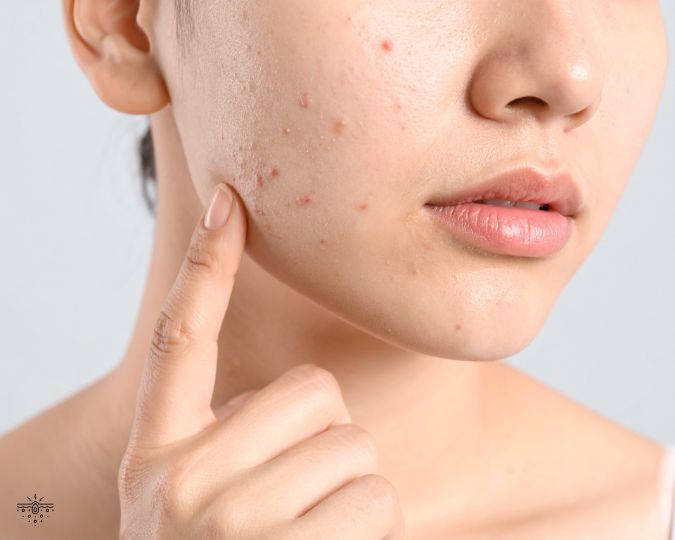
Dr. Sanchit Talwar’s approach to acne treatment begins with understanding the type and severity of acne, how long it has been present, what may be contributing to it, and whether there is a risk of persistent marks or scarring. Hormonal changes, medications, skincare products and, in some patients, stress or other factors may influence acne. This assessment helps determine what is driving the breakouts and what kind of treatment is most appropriate for your skin.
Depending on the type and severity of acne, treatment may include prescription topical or oral medications, along with in-clinic treatments such as chemical peels or selected laser and light-based procedures where appropriate. These treatments can help clear active acne, reduce inflammation and prevent new breakouts, while also reducing the risk of pigmentation and scarring. At Talwar Skin Clinics, acne treatment in Chandigarh and Ludhiana is tailored to the individual, with the focus on achieving clearer skin and maintaining the results over time.
Acne treatment options
Acne treatment depends on the type and severity of acne, the patient’s skin and whether there are already signs of scarring or pigmentation. Treatment may involve prescription medication, in-clinic procedures, or a combination of approaches. The aim is to control active acne while reducing the risk of long-term marks and scars.
Medical acne treatment
Prescription topical and oral medicines used to address acne at its source, depending on its severity and type.
Chemical peels
Selected peels can help unclog pores, reduce inflammatory lesions and improve post-acne marks as part of an appropriate treatment plan.
Once active acne is controlled, procedures such as microneedling, lasers or other scar-specific treatments can be considered according to the type and depth of scarring.
Post-inflammatory hyperpigmentation can persist after acne has cleared. Treatment focuses on controlling the underlying acne and, when appropriate, addressing the remaining pigmentation.
What type of acne do you have?
Acne can appear in several forms, and more than one type can occur at the same time. The type of lesions, how deep they are and where they appear on the skin all help determine the most appropriate treatment.
Comedonal acne
Blackheads and whiteheads form when pores become blocked with sebum and dead skin cells. This type of acne is usually non-inflammatory but can progress to inflamed lesions.
Papules and pustules
These are red, inflamed spots that develop when inflammation occurs within a blocked follicle. Pustules contain visible pus, while papules are firm and red without a pus-filled centre.
Nodules and cysts
These are deeper, more painful inflammatory lesions that develop beneath the surface of the skin. They carry a higher risk of permanent acne scarring and often require medical treatment.
Hormonal-pattern acne
Acne influenced by hormonal fluctuations often appears around the lower face, jawline and chin and may flare around menstrual cycles. It can occur in adults and may sometimes be associated with conditions such as PCOS.
Teenage acne
Acne is particularly common during adolescence because hormonal changes increase sebum production. Early treatment can help control inflammation and reduce the risk of persistent scarring.
Adult acne
Acne can continue into adulthood or develop for the first time later in life. Hormonal factors, medications, skincare and cosmetics can sometimes contribute, and the pattern may differ from teenage acne.
Acne scars and post-acne marks
Acne can leave behind two different kinds of changes, and they need to be treated differently. Post-inflammatory hyperpigmentation (PIH) appears as flat brown or dark marks after a breakout has healed. These marks are not true scars and can gradually fade, although sun exposure and repeated inflammation can make them more persistent.
Acne scars, on the other hand, involve a change in the skin’s texture caused by damage to the deeper layers of the skin. They may appear as depressed scars, such as ice-pick, boxcar or rolling scars, or less commonly as raised scars. The type, depth and distribution of scarring determine which treatment is likely to be most effective. Options may include microneedling, fractional laser treatments, subcision, chemical peels or other procedures, depending on the individual scar pattern.
The first step is to control active acne before treating its marks or scars. This reduces the chance of new lesions creating further pigmentation or permanent scarring. Once the acne is under control, a dermatologist can assess the remaining changes and develop a treatment plan based on the type of pigmentation or scarring present.
Acne Treatment FAQs
Acne in adults can be triggered by hormonal changes, stress, diet, genetics, and lifestyle factors. Even if your skin was clear as a teen, hormonal fluctuations or other triggers can lead to breakouts later. Understanding the cause is key to effective acne treatment.
Acne can’t always be “cured” overnight, but evidence-based treatments can control breakouts, reduce scars, and prevent recurrence. With the right dermatologist-led care, most patients achieve clear, healthy skin that lasts.
The best acne treatment depends on your skin type and severity. Dr. Sanchit Talwar combines medical therapies like prescription topicals or oral medications with clinical treatments such as chemical peels and laser procedures to achieve visible, lasting results.
Certain foods, like high-sugar or fried foods, can worsen acne in some people. Pairing a balanced diet with professional acne care can help reduce breakouts and improve overall skin health.
Yes — acne scars and pigmentation can be significantly improved with treatments like laser therapy, chemical peels, and microneedling. Early intervention ensures smoother, clearer, and healthier-looking skin.
No — acne is mostly driven by hormonal, genetic, and lifestyle factors, not dirt. Over-washing or harsh scrubbing can actually make acne worse.
Yes, but dark marks and acne scars are different problems. Post-inflammatory hyperpigmentation is a change in skin colour and often fades gradually, while acne scars involve a change in skin texture. Treatment depends on the type and severity of the marks or scars, and active acne should generally be controlled before scar treatment begins.
Acne treatment usually takes several weeks before improvement becomes noticeable. Some treatments may begin reducing breakouts within the first few weeks, but a meaningful assessment often takes longer. Consistent treatment is important, and the plan may need to be adjusted depending on how your skin responds.
You should consider seeing a dermatologist if acne is persistent, painful, leaving dark marks or scars, affecting your confidence, or not improving with over-the-counter products. Early treatment can be particularly important when there is a risk of permanent scarring.
Yes. Even after acne has cleared, the tendency to develop breakouts can remain. Some patients benefit from maintenance treatment and a suitable skincare routine to reduce the likelihood of recurrence and maintain clearer skin.
Home remedies are unlikely to reliably clear persistent or inflammatory acne. Some basic skincare measures can reduce irritation, but moderate or severe acne may require medical treatment. Seeing a dermatologist is particularly important when acne is painful, persistent or beginning to leave scars.
Results vary depending on acne severity and chosen treatments. Many patients notice improvement within a few weeks, while consistent, targeted care ensures lasting clear and healthy skin.