
Hair loss treatment in Chandigarh
Hair loss can have many causes, from temporary shedding to progressive hair thinning. The right approach depends on what is causing the hair loss, how advanced it is, and the health of the hair follicles.
At Talwar Skin Clinics, Dr. Sanchit Talwar evaluates the underlying cause before recommending treatment. Depending on the diagnosis, treatment may involve medical management, regenerative therapies or hair transplantation.
Hair loss treatments at Talwar Skin Clinics
What causes hair loss?
Hair loss can happen for many different reasons, and identifying the cause is the first step towards choosing the right treatment. Some people experience temporary shedding after an illness, significant stress or nutritional deficiency, while others develop gradual hair thinning because the follicles are becoming progressively smaller. Scalp conditions, hormonal changes, medications and damage to the hair follicles can also contribute.
|
|
|
|---|---|
More than one factor can sometimes contribute to hair loss at the same time. This is why a proper assessment matters: the pattern and duration of shedding, scalp health, medical history and, when appropriate, investigations can help identify what is actually driving the problem.
How is hair loss diagnosed and assessed?
Hair loss can look similar from the outside even when the underlying causes are very different. A dermatologist assesses the pattern, progression and nature of the hair loss, examines the scalp and follicles, and considers your medical history before deciding whether further investigations are needed.
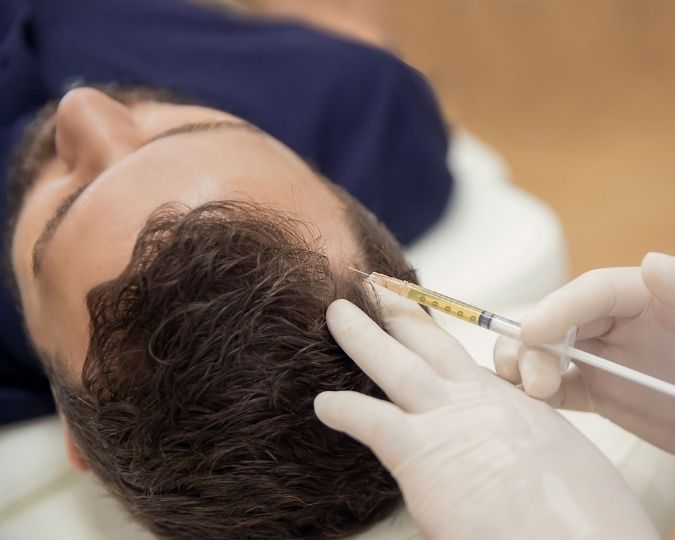
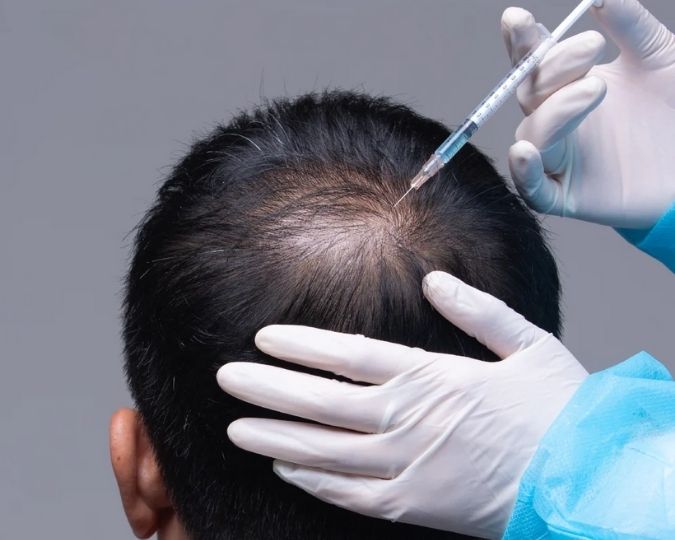
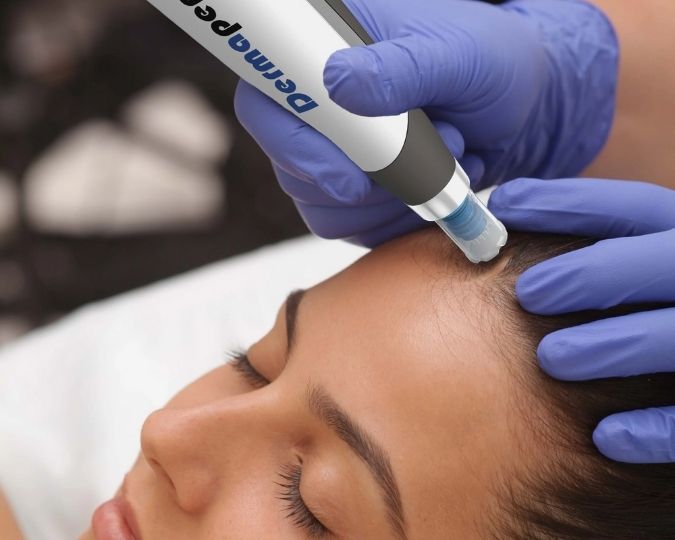
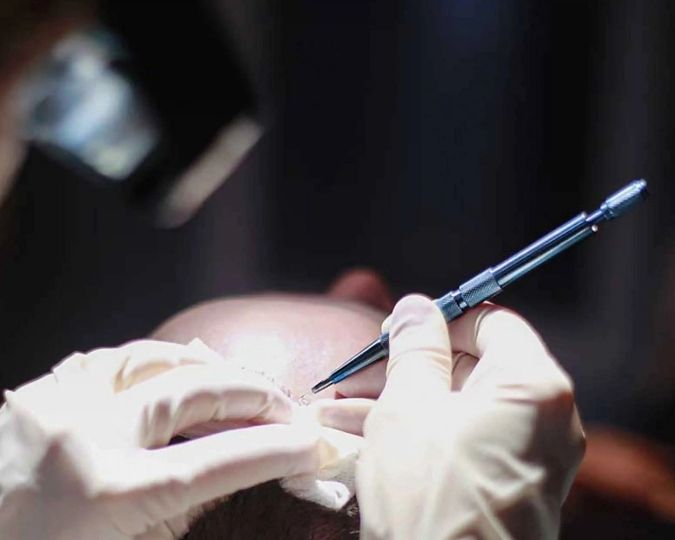
Once the assessment is complete, the findings are discussed with you and the likely cause or contributing factors are explained. If treatment is appropriate, the available options, expected results and long-term plan can then be discussed based on your individual situation.
Which hair loss treatment is right for you?
There is no single treatment that is best for every type of hair loss. The right approach depends on the cause of the hair loss, how long it has been present, the degree of thinning, the condition of the scalp and follicles, and whether the goal is to improve existing hair or restore hair in areas where it has been permanently lost.
At Talwar Skin Clinics, treatment is planned after assessing these factors rather than selecting a procedure based on the amount of hair shedding alone. Depending on the diagnosis, treatment may include medical therapy, regenerative treatments such as PRP, GFC or exosome therapy, or hair transplantation. In some patients, a combination of treatments may provide the most appropriate approach.
The important distinction is whether the follicles are still capable of producing hair. Treatments that support existing follicles are most useful when there is viable hair to work with, while a hair transplant may be considered when follicles have been permanently lost from a particular area.
Hair loss treatment options: what works for different types of hair loss
Different hair loss treatments work through different biological mechanisms and are used at different stages of hair loss. Some are designed to improve the growth and thickness of existing hair, while hair transplantation restores hair to areas where follicles have been permanently lost.
How it works
PRP uses a concentrated preparation of your own platelets. The platelets release growth factors that act on the hair follicles and the surrounding tissue.
How it may help
Can improve hair density and thickness in some patients with pattern hair loss, particularly when follicles are still producing thinning hair.
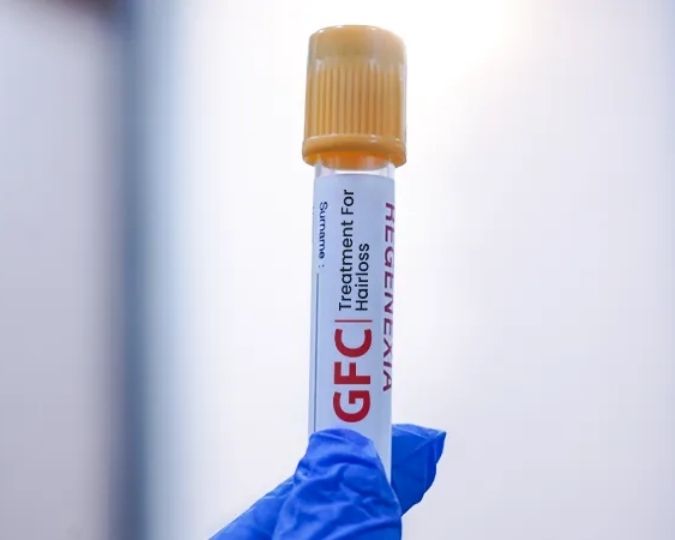
How it works
GFC (Growth Factor Concentrate) uses a specialised concentrate of growth factors prepared from your own blood, in addition to the patient’s natural platelets.
How it may help
Aims to deliver a higher concentration of specific growth factors to the scalp and may help improve the thickness and density of thinning hair.
How it works
Exosomes are tiny extracellular vesicles released by cells. They carry proteins, growth factors and other signalling molecules that communicate with cells around the hair follicle and can influence pathways involved in follicle growth and the hair-growth cycle.
How it may help
An emerging regenerative treatment being studied for pattern hair loss, with early clinical studies reporting improvements in hair density and thickness.
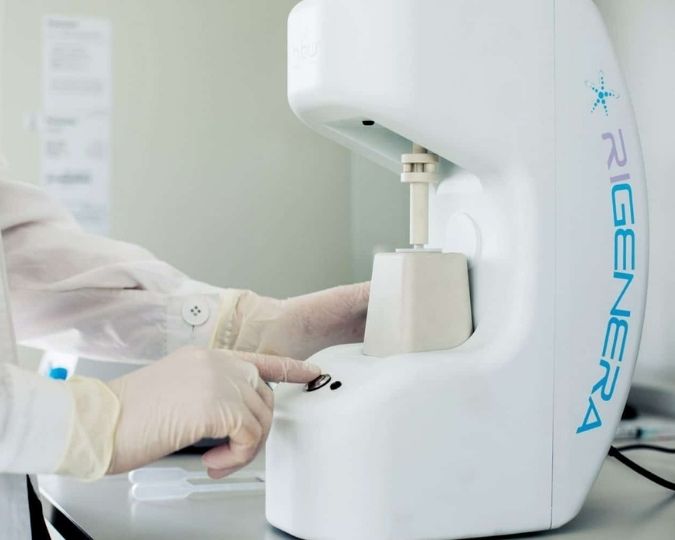
How it works
A small sample of the patient’s own tissue is mechanically processed using the Rigenera system to create an injectable micrograft suspension containing progenitor cells, extracellular matrix and extracellular vesicles, including exosomes.
How it may help
Designed to stimulate activity around miniaturised or dormant follicles and improve hair density and thickness in appropriate patients.
How it works
Controlled microneedling creates tiny channels in the scalp and triggers a local wound-healing response.
How it may help
Can be used to improve the scalp environment and stimulate processes involved in hair growth, usually as part of a broader treatment plan.
How it works
Healthy hair follicles are taken from a donor area and transplanted into areas where hair has been permanently lost.
How it may help
Restores hair in areas affected by established follicular loss, provided there is adequate donor hair and the patient is an appropriate candidate.
These treatments are not interchangeable. The choice depends on the diagnosis, the degree of follicle miniaturisation, how much viable hair remains, the pattern and progression of hair loss, and the patient’s goals. In some cases, more than one approach may be used as part of a longer-term treatment plan.
What results can you expect from hair loss treatment?
The results of hair loss treatment depend on the cause of hair loss, how advanced it is, the condition of the follicles and the treatment being used. For some patients, the goal is to reduce excessive shedding and preserve existing hair. Others may see improvements in hair thickness and density over time. When follicles have been permanently lost, a hair transplant may be needed to restore hair in those areas.
Hair treatments also take time. Treatments that act on existing follicles generally require several months before changes in hair density or thickness become noticeable, while hair transplantation has a longer growth timeline, with visible results developing progressively over several months.
The aim is therefore not simply to “stop hair fall”, but to achieve the best possible improvement for the type and stage of hair loss being treated. In some patients, maintaining existing hair is an important part of a successful long-term result.
How long does hair loss treatment take to work?
Hair growth is a slow biological process, so hair loss treatments generally take several months before their effect can be properly assessed. The timeline depends on the cause of hair loss, the treatment being used and how the individual follicles respond.
0–3 months
The initial focus may be on reducing excessive shedding and improving the condition of existing follicles. It is usually too early to judge the final result at this stage.
3–6 months
Changes in hair thickness and density may begin to become more noticeable. This is a more useful stage for assessing how an individual is responding to treatment.
6–12+ months
Hair density can continue to improve over a longer period, depending on the treatment and the underlying cause. Hair transplantation has a particularly gradual timeline, with new growth developing over several months.
Hair growth is a slow biological process, so treatment should be assessed over months rather than days or weeks. Your dermatologist can determine the appropriate follow-up schedule and use clinical examination, photographs and, where useful, trichoscopy to monitor progress.
Can hair loss be completely reversed?
Whether hair loss can be reversed depends largely on why it is happening and whether the affected follicles are still capable of producing hair. Some forms of hair shedding are temporary and can recover once the underlying trigger is addressed. Other types, particularly progressive pattern hair loss, can be managed effectively but may continue to progress without treatment.
Temporary hair shedding
Conditions such as telogen effluvium can cause significant shedding after illness, stress, nutritional deficiencies or other triggers. When the underlying cause is identified and addressed, the hair cycle can gradually return to normal and density can recover.
Progressive hair thinning
In androgenetic alopecia, genetically sensitive follicles gradually become smaller and produce finer, shorter hairs. Treatment can slow further loss and improve the appearance of existing hair, particularly when started early, but treatment does not necessarily restore all lost hair.
Areas where follicles have been permanently lost
When follicles are no longer capable of producing hair, medicines or regenerative treatments cannot recreate those follicles. A hair transplant can restore hair to appropriate areas by moving healthy follicles from a suitable donor area.
The earlier the cause of hair loss is identified, the more options there may be for preserving existing hair and improving density. A proper assessment can therefore help distinguish hair loss that is likely to recover on its own from hair loss that needs active, long-term treatment.
Why choose Dr. Sanchit Talwar for hair loss treatment in Chandigarh?
Hair loss treatment starts with understanding why the hair is thinning or shedding. Dr. Sanchit Talwar is a dermatologist in Chandigarh with extensive experience in diagnosing and treating hair loss, including pattern hair loss, excessive shedding and scalp conditions that can affect hair growth.
At Talwar Skin Clinics, hair loss is assessed as a medical concern rather than treated as a single cosmetic problem. The pattern and progression of hair loss, scalp health, follicle condition, family history and relevant medical factors are considered before a treatment plan is recommended.
Dr. Sanchit’s approach brings together medical hair loss treatment, regenerative therapies and hair transplantation, allowing treatment to be tailored to the cause and stage of hair loss. Depending on the diagnosis, options may include PRP, GFC, exosome therapy, Regenera Activa, Dermapen-4 or hair transplantation.
The aim is to preserve existing hair where possible, improve density when the follicles are still viable, and restore hair in areas where permanent follicular loss has occurred. Just as importantly, patients are given a realistic understanding of what their treatment can and cannot achieve.