
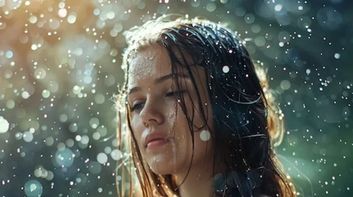
Does hair really fall more during the monsoon?
If you’ve noticed more hair on your pillow, in the shower, or on your hairbrush during the rainy season, you’re not alone.
Many people report increased hair shedding during the monsoon. Although there isn’t strong evidence that rain or humidity directly causes hair loss, seasonal changes can make normal hair shedding more noticeable. For some people, the season may also coincide with increased scalp oiliness, dandruff, or inflammation, all of which can contribute to hair shedding.
In other words, the increase is often real—but the explanation is not always as straightforward as “monsoon causes hair fall.”
Why does it happen?
Hair growth follows a natural cycle of growth, rest, and shedding. At any given time, it is normal to lose around 50 to 100 hairs each day.
Seasonal factors may influence this cycle in some individuals, although the exact reasons are not fully understood. Humidity, changes in scalp health, lifestyle changes during the rainy season, or an existing tendency towards hair loss may all play a role.
For people already experiencing androgenetic hair loss or another underlying hair disorder, the seasonal shedding may simply make the problem more noticeable.
When is hair fall during the monsoon considered normal?
A temporary increase in shedding that settles within a few weeks is usually not a cause for concern.
However, if you notice any of the following, it’s worth getting your hair evaluated:
- shedding that continues beyond two to three months
- visible thinning or widening of the hair parting
- reduced hair density
- excessive hair coming out with gentle combing or washing
- associated scalp itching, scaling, or redness
Persistent hair loss should not be dismissed as “just seasonal.”
Should you change your hair care routine?
The monsoon can make the scalp oilier and more prone to dandruff or fungal overgrowth in some people.
Using a mild shampoo regularly, keeping the scalp clean, and treating dandruff promptly can help maintain a healthy scalp environment. It’s also important to avoid excessively harsh hair products or vigorous rubbing while drying wet hair.
However, changing shampoos alone is unlikely to stop significant hair loss if an underlying medical condition is present.
When should you see a dermatologist?
As Dr. Sanchit Talwar explains, “The season may make existing hair loss more noticeable, but monsoon itself is rarely the only cause. The important question is whether the increased shedding settles down or continues beyond a few weeks.”
That distinction is important because early evaluation can identify conditions such as androgenetic alopecia, nutritional deficiencies, telogen effluvium, or scalp disorders before they progress further.
The takeaway
A mild increase in hair shedding during the monsoon is a common experience and is often temporary. However, persistent or progressive hair loss should not be assumed to be seasonal.
If the shedding continues beyond a few weeks, or you notice visible thinning, a consultation with a dermatologist can help determine the underlying cause and whether treatment is needed.