What are skin boosters?
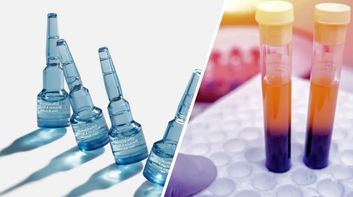
Skin boosters are injectable treatments designed to improve hydration and skin texture. They usually contain hyaluronic acid, which attracts water and helps the skin look smoother and more radiant.
They are commonly used for:
- dull or dehydrated skin
- fine lines
- early skin ageing
The results are subtle but noticeable. Skin tends to look fresher, more even, and better hydrated.
What is PRP?
PRP (platelet-rich plasma) uses your own blood to stimulate skin repair. A small sample of blood is processed to concentrate growth factors, which are then injected into the skin.
PRP works by:
- stimulating collagen production
- improving skin healing
- supporting long-term skin quality
It is often used for:
- early ageing
- acne scars
- hair thinning (in scalp treatments)
How are they different?
The key difference lies in how they work.
Skin boosters primarily improve hydration and surface quality.
PRP works deeper by supporting repair and regeneration.
Because of this:
- skin boosters give quicker visible glow
- PRP gives gradual, long-term improvement
They are not interchangeable, and one is not necessarily better than the other.
Which one is right for you?
The choice depends on your concern and goals.
If your main concern is dullness, dryness, or early fine lines, skin boosters may be more suitable.
If you are looking to improve skin strength, texture, or repair damage, PRP may be the better option.
In many cases, these treatments can also be combined or done in sequence for better overall results.
What about safety?
Both skin boosters and PRP are considered safe when performed correctly. However, technique, product quality, and skin assessment play an important role in outcomes.
Since PRP uses your own blood, it is generally well tolerated. Skin boosters require correct placement and appropriate product selection.
The takeaway
Skin boosters and PRP both improve skin quality, but they do so in different ways.
Choosing the right treatment depends on understanding your skin and what it needs — hydration, repair, or both.
A personalised consultation can help determine the most effective approach for your skin rather than relying on trends or general recommendations.