
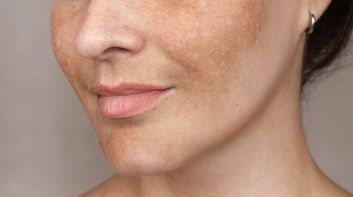
Why melasma doesn’t disappear in winter
Melasma is a chronic pigmentary condition caused by overactive melanocytes. While sun exposure is an important trigger, it is not the only factor involved — which is why pigmentation often persists even when the weather becomes cooler.
In clinics across Chandigarh and Ludhiana, many patients come in during January expecting their pigmentation to have settled, only to notice that the patches remain unchanged or appear darker.
This happens because melasma is driven by ongoing biological and environmental factors, not just summer sunlight.
Common myths about melasma in winter
Myth 1: “There’s no strong sun in winter, so pigmentation shouldn’t worsen.”
Even in winter months, UVA rays remain constant throughout the year. These rays penetrate clouds, car windows, and glass — continuing to stimulate pigment cells during daily routines.
Myth 2: “If I’m not tanning, my melasma must be inactive.”
Melasma doesn’t always deepen in colour. In colder weather, dryness and uneven skin tone can make pigmentation appear more prominent, especially on the cheeks and upper lip.
Myth 3: “Sunscreen is only needed in summer.”
This is one of the most frequent winter mistakes we see in practice. Skipping sunscreen for a few months allows pigmentation to stay biologically active beneath the surface.
Real winter triggers we commonly see
1. Irregular sunscreen use
Short outdoor exposure, driving, and daily errands — common in city lifestyles — are enough for ongoing UVA exposure, even in January.
2. Skin barrier damage from weather changes
Cold air, hot water baths, and frequent face washing dry out the skin barrier. When the barrier is compromised, inflammation increases — and inflammation directly worsens pigmentation.
3. Overuse of “brightening” products
During winter, many people experiment with stronger creams, acids, or retinol. In melasma-prone Indian skin, irritation often leads to rebound darkening rather than improvement.
4. Hormonal and genetic influence
Melasma is strongly influenced by hormones and family history. These internal factors continue to affect pigmentation regardless of season or climate.
Why melasma looks mask-like
Melasma typically appears symmetrically on the cheeks, forehead, nose, and upper lip — giving it a mask-like pattern. These areas have pigment cells that are particularly sensitive to UV exposure and hormonal signals.
Because melasma often involves deeper skin layers, it rarely fades completely with home remedies or over-the-counter products alone.
What actually helps during winter
Winter is not about aggressively removing melasma — it’s about stabilising pigment activity.
A dermatologist-guided approach usually focuses on:
consistent broad-spectrum sunscreen
repairing and maintaining the skin barrier
carefully selected pigment-modulating creams
avoiding irritation and unnecessary procedures
This foundation allows more targeted treatments to work better when appropriate.
The takeaway
Melasma isn’t only a summer concern. In fact, winter habits — reduced sunscreen use, dry skin, and product overuse — often explain why pigmentation remains stubborn.
Understanding these triggers helps prevent worsening and supports long-term control rather than short-term fading.
If pigmentation keeps returning or seems resistant to products, personalised dermatological care can help identify the depth, triggers, and safest treatment plan for your skin.