
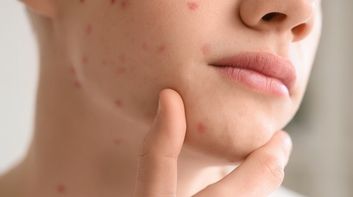
Acne in the teenage years isn’t all the same
Almost every teenager gets a few pimples. But teen acne exists on a wide spectrum — from occasional breakouts to persistent, inflamed acne that affects the face, chest, or back. The challenge is knowing when acne is likely to settle on its own and when it needs medical attention.
Teenage skin is influenced by hormonal changes that increase oil production, clog pores, and allow acne-causing bacteria to thrive. For some teens, this phase is mild and short-lived. For others, acne can become chronic and leave marks long after the breakouts improve.
Why “waiting it out” doesn’t always work
One of the biggest misconceptions about teen acne is that it’s best left alone. In reality, untreated or poorly managed acne can quietly cause damage under the skin, leading to dark marks and scars that are far harder to treat later.
Early treatment doesn’t mean aggressive treatment. It means recognising patterns early — frequent breakouts, painful acne, or acne that leaves marks — and addressing them before they become entrenched.
Social media skincare can make things worse
Teenagers today are exposed to an overwhelming amount of skincare advice online. Layering multiple actives, harsh scrubs, or copying adult routines often disrupts the skin barrier and worsens acne.
Teen skin usually responds better to simpler, consistent routines guided by a proper diagnosis rather than trends or trial-and-error.
How teen acne is managed in a dermatology setting
At Talwar Skin Clinics, teen acne is treated with a structured, medical approach. The focus is on understanding the type of acne, identifying triggers, and choosing treatments that are effective but gentle enough for developing skin.
Treatment plans may involve basic skincare guidance, topical medications, or oral treatments when needed — always adjusted over time rather than rushed. The goal is steady control, not overnight clearing.
Acne affects more than just the skin
For teenagers, acne can affect confidence at a sensitive stage of life. Avoiding social situations, feeling self-conscious, or constantly worrying about appearance is common. Addressing acne early often improves not just skin, but overall well-being.
Under the care of Dr. Sanchit Talwar, the emphasis remains on realistic expectations, safety, and long-term skin health. With the right guidance, most teens can get acne under control — and avoid carrying its effects into adulthood.